U.S. Government Working to Ease Concerns and Entry for International Travelers
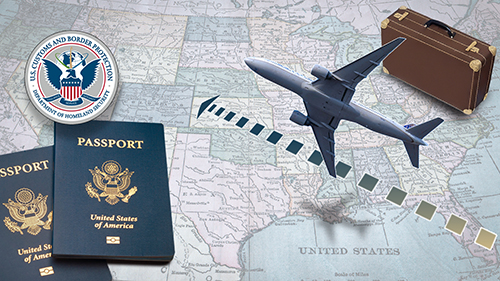
During IPW last week, IITA leadership met with a number of U.S. government officials and agencies to discuss policies and procedures affecting international visitors to the United States.
While agencies remained steadfast in their support for proposed and enacted measures intended to strengthen national security and border management, there was also clear recognition that some policies have created concern and uncertainty among potential international visitors. Officials emphasized that multiple agencies are actively working to clarify policies, improve processes, and help reassure travelers that the United States remains open and welcoming.
ESTA Expanded Data Collection
According to CBP Executive Director Matt Davies, no action will be taken on the proposed ESTA expanded contact and social media data collection requirements until late summer, when CBP plans to release an updated proposal for another round of public comment. This will include an additional 30-day public comment period before any implementation decisions are made.
CBP officials explained that the proposed information collection is intended to support identity verification and risk mitigation efforts when needed. They noted that the future ESTA process would likely operate in a “waterfall” structure, meaning not every applicant would be asked the same deep-dive questions. Instead, certain responses could trigger additional information requests.
Officials also shared that approximately 25% of ESTA applicants already voluntarily provide social media and personal contact information on their applications.
From October 1, 2025, through April 30, 2026, CBP received more than 5.9 million ESTA applications under the Visa Waiver Program, resulting in more than 5 million approvals. The top five countries for approvals were the United Kingdom, France, Germany, Japan, and the Republic of Korea.
Biometric Entry/Exit Program
CBP also provided updates on its Traveler Verification Service, a secure cloud-based facial biometric matching system designed to automate identity verification for foreign visitors entering and exiting the United States.
Officials explained that the program adds an additional layer of security while also supporting the long-mandated implementation of a more accurate exit tracking system. Improved exit data collection will help provide a more reliable measurement of visa overstays and could improve future assessments of Visa Waiver Program participation.
 Global Entry and Trusted Traveler Programs
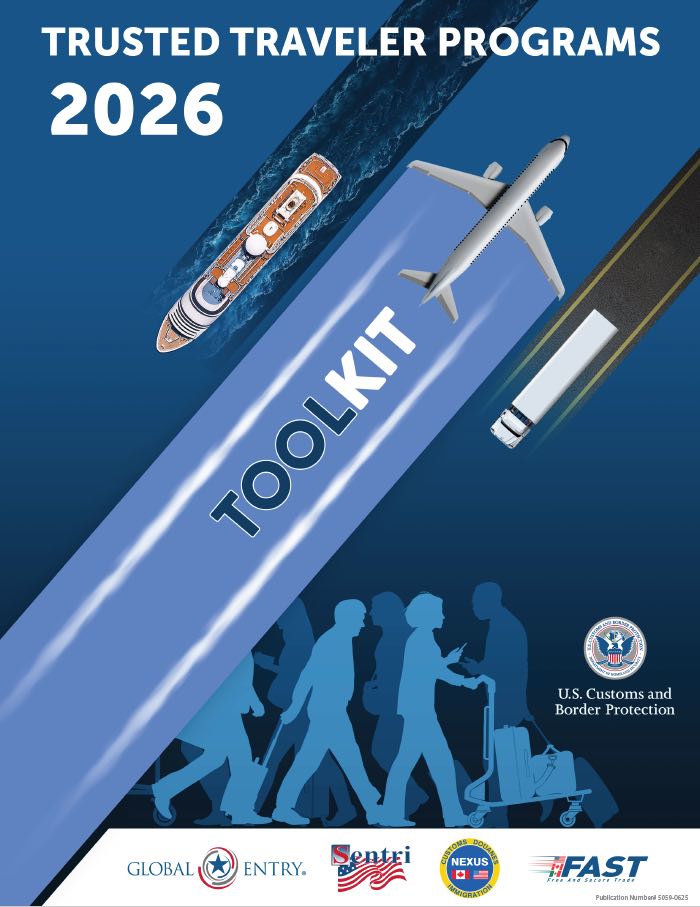
CBP’s Global Entry Team has developed a new Trusted Traveler Programs Toolkit to help educate the inbound travel industry and international travelers about programs including Global Entry, NEXUS, SENTRI, and FAST.
With evolving entry procedures creating confusion and concern among some travelers, officials noted that Trusted Traveler Programs can help visitors move through airports and border crossings more efficiently and begin their U.S. travel experience on a more positive note.
Presidential Tourism Envoy
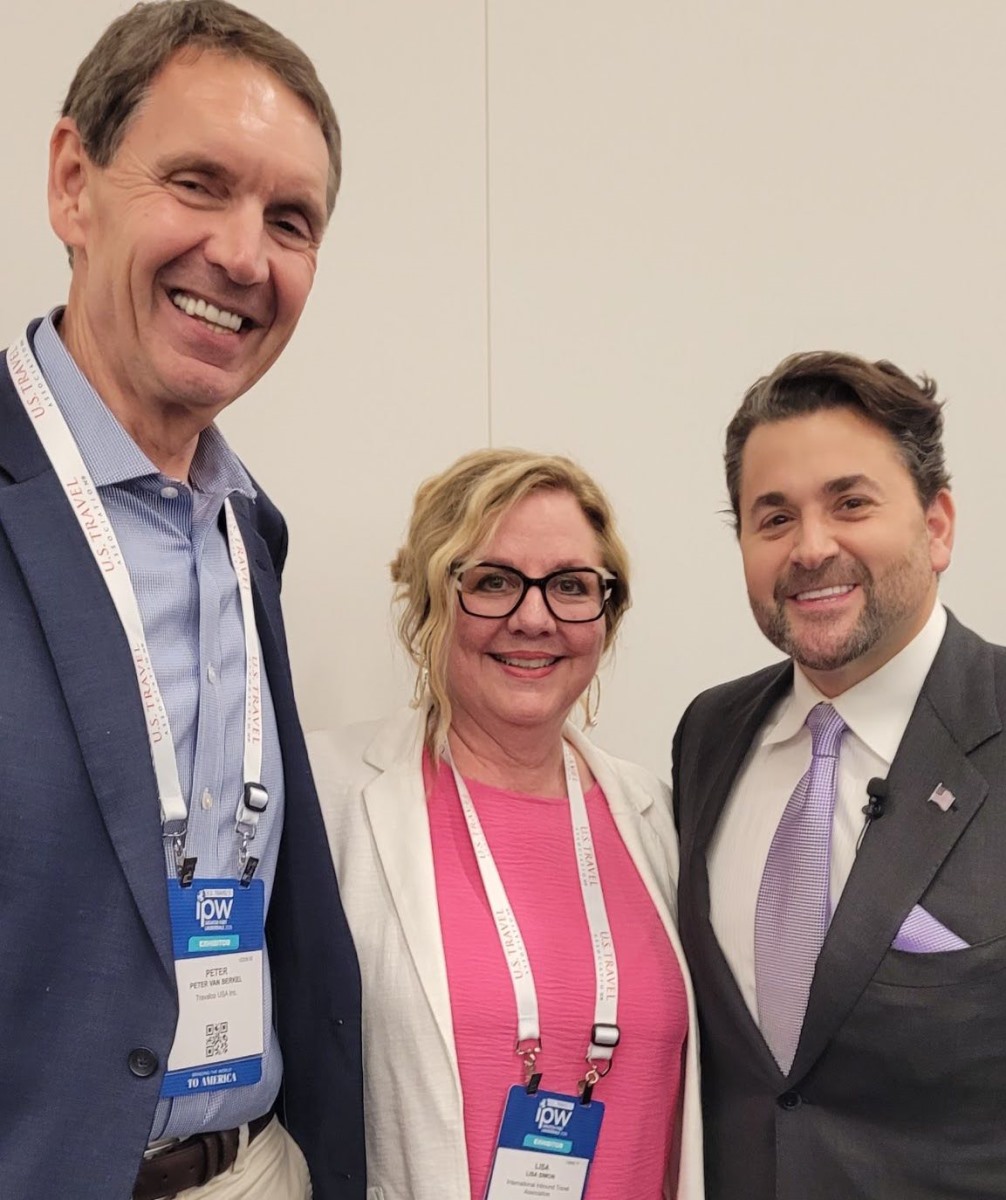
In March, President Trump appointed Nick Adams as Special Presidential Envoy for American Tourism, Exceptionalism and Values. His mission is to promote the United States globally as a premium travel destination and help reverse the decline in international visitation in 2025.
Working with the White House, Department of Commerce, and Department of Homeland Security, Adams is expected to launch a media outreach effort focused on reinforcing that America is open and welcoming to international visitors. The appointment represents the first White House position specifically focused on travel and tourism.
Sports Tourism Roundtable
The National Travel and Tourism Office also convened a sports tourism roundtable during IPW with Adams, Deputy Assistant Secretary Robert O’Leary, U.S. Commercial Service officers, destination leaders, and sports organizations to discuss the growing importance of sports tourism to the United States.
With FIFA, the Olympics, Rugby World Cup, America 250, Route 66 Centennial celebrations, and numerous other global events ahead, participants discussed how sports tourism can help drive international visitation throughout the coming decade. See CBP FIFA World Cup Travel Resources.
IITA participated in the discussion to emphasize the critical role of the international travel trade in both promoting sports-related travel and encouraging visitors to extend their stays to experience destinations, culture, attractions, and communities throughout the United States.
NPS Non-resident Fees
Nathan Naidu, Deputy Director of Intergovernmental and External Affairs at the Department of the Interior, attended IPW specifically to hear directly from tour operators about operational challenges created by the newly implemented non-resident fees at 11 national parks and the new $250 Non-resident America the Beautiful annual pass.
During IPW, Naidu met with several IITA inbound operators, international tour operators, destination representatives, and IITA leadership to better understand the concerns surrounding implementation for commercial group tours.
IITA representatives outlined several potential solutions for consideration, including:
- Postponing implementation of the fees for commercial group tours until 2027;
- Creating a dedicated pass or program specifically for commercial group tours that would not require advance linkage to the end consumer, as is currently required with the America the Beautiful pass; and/or
- Utilizing the existing National Park Service wholesale pass program to allow inbound tour operators to purchase America the Beautiful passes without advance connection to the end traveler.
Naidu indicated that he planned to discuss the concerns and proposed solutions with officials within the Department of the Interior and the National Park Service, assuring participants that the issue remains a priority within the department and that efforts are underway to identify workable operational solutions.
“The inbound travel industry plays an essential role in helping visitors confidently navigate travel to the United States,” said Lisa Simon, CEO of the International Inbound Travel Association. “We appreciate the willingness of U.S. government agencies to proactively clarify policies, improve processes, and engage directly with the inbound industry. Open communication and collaboration are critical to maintaining traveler confidence and ensuring international visitors continue to feel welcomed, informed, and excited to experience the United States.”